


Skullburn
4.6521.00 Reviews
App Specs
- Version
- 1.0.5
- Updated On
- License
- Free
- Downloads
- 500,000+
- Developer
- 24 HIT Riga SIA
- Categories
- Action
- Platform
- Android
Screenshots

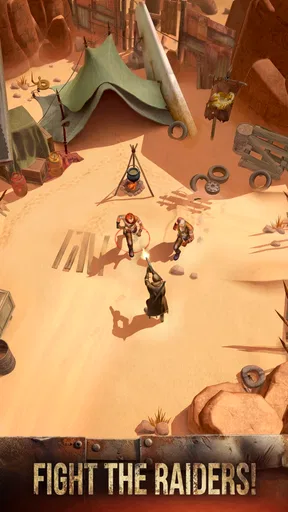
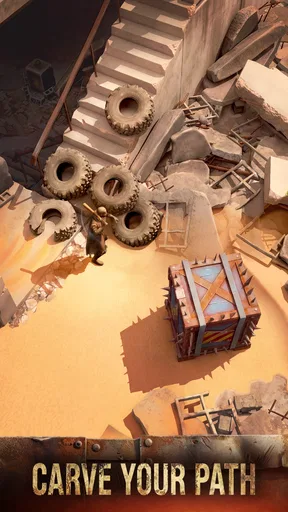
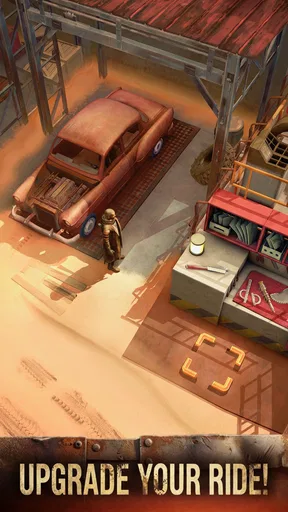
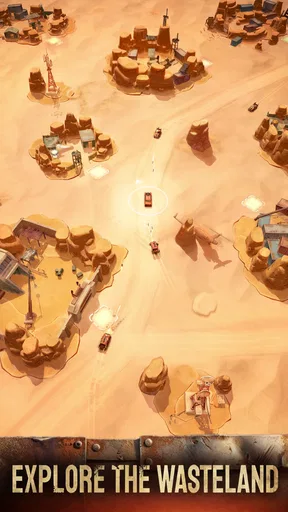
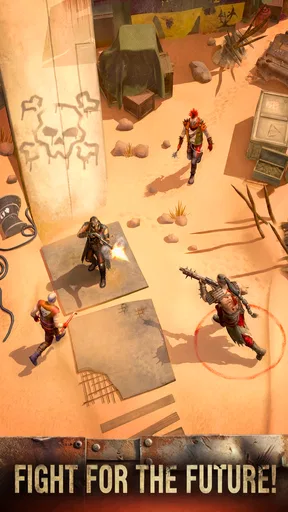
 Analysis by AppCompare
When I first opened Skullburn, I expected a quick action game built around a harsh end-of-the-world mood. That impression is accurate, but it does not explain why the game can hold my attention beyond the first few minutes. Its strongest quality is the way it turns a simple wasteland premise into a focused test of attention: the ruined setting is not just decoration, because every encounter asks me to react, choose a target, and decide how aggressively I want to push forward.
Skullburn is a free action game from 24 HIT Riga SIA, aimed at players aged 10 and over. It has already passed half a million installs and sits at a 4.6 average from roughly 17 thousand ratings, which suggests that its direct, easy-to-start style is reaching a broad audience. I can see why. The game does not demand that I learn a complicated fictional world before I can enjoy it. I can pick it up, understand the basic danger quickly, and spend a short break trying to improve my next attempt.
That accessibility is also the game’s central challenge. Skullburn is not the right choice if I want a long, quiet adventure with extensive dialogue, deep character relationships, or a carefully explained story. It works better as a concentrated burst of post-apocalyptic action. The question is not whether it has the largest possible amount of content, but whether its core loop gives me a reason to return after a difficult run. In my experience, it does that best when I treat each session as practice rather than as a one-time tour of the wasteland.
The focused ability that shapes every run
The most important capability in Skullburn is its ability to make moment-to-moment survival feel like the main event. Instead of relying on a long introduction or a large collection of side systems to carry the experience, the game puts pressure on my reactions and my decisions in the dangerous landscape. That focus gives the action a clear identity. I am not simply moving through a gloomy backdrop; I am constantly reading what is happening and deciding what deserves my attention first.
This matters because post-apocalyptic action games can easily become visually impressive but mechanically forgettable. Skullburn has a stronger chance of staying in my memory when I concentrate on its rhythm. The wasteland creates the mood, while the action gives the mood a practical purpose. Fire, scarcity, and danger are not merely words in the setting; they frame the way I approach each stretch of play. Even when a session is brief, I feel that I am measuring my control against an environment that is designed to punish careless decisions.
I would describe the game’s appeal as fast recognition followed by deliberate commitment. The first instinct is usually to react immediately, but the better result often comes from noticing the situation before acting. That small delay can be the difference between a clean sequence and a messy recovery. I found myself improving more when I stopped treating every threat as an emergency and started asking which danger could actually end the run.
This is also where the action category becomes meaningful. Skullburn does not need to imitate a large console-style campaign to justify its place as an action game. Its value comes from the pressure of the encounter itself. Players who enjoy testing reflexes, spotting patterns, and repeating a challenge with a slightly better plan will understand the attraction quickly. Players who prefer exploration at their own pace may find the same focus restrictive.
Worth Reading Before You Choose

Flipboard Shows What News Apps Must Do Beyond the Feed

Switching to Android Auto Means Rethinking Your Driving Routine

Google Calendar Makes a Crowded Week Easier to Manage

Ludo King Makes the Most of the Minutes Between Plans

Baby Panda World Brings Quick Play to Modern Phones, but Its Game Library Feels Busy

ESPN’s Live Game View Makes Following Close Games Easier
Why the wasteland works better as a pressure system
The ruined-world theme could have been used as a thin coat of paint, but I found it more effective when it influenced my attitude toward play. A wasteland suggests that mistakes matter and that safe assumptions are unreliable. That makes me pay closer attention to the flow of an encounter. I am less likely to rush simply because the next objective appears nearby, and more likely to consider whether my current position gives me enough room to respond.
One useful habit is to separate movement from panic. When something unexpected appears, my first reaction is to act quickly, but a frantic response can create a second problem. I get better results when I identify the immediate threat, make one clean adjustment, and only then think about the next action. This sounds basic, yet it is the kind of discipline that turns a short action game from random tapping into a repeatable skill.
Another practical insight is to treat every failed attempt as information about timing rather than as proof that the game is unfair. If I lose after taking on too much at once, the lesson is usually about priority and patience. If I fail while trying to recover, I need to think about positioning and not only speed. That approach gives Skullburn more depth than its compact format initially suggests. The game does not have to explain every lesson directly; the player can extract it by paying attention to the circumstances of each failure.
What playing it feels like in practice
On a phone, Skullburn fits naturally into short sessions. I can imagine playing it while waiting for an appointment, during a commute break, or after finishing a task when I want something active but do not want to commit to a lengthy campaign. The game’s free entry point helps here: I can try the basic experience without first deciding whether a purchase is worthwhile.
My preferred way to play is with a clear goal for each session. Instead of continuing until I become frustrated, I might focus on surviving one difficult sequence more cleanly, reacting earlier to a familiar threat, or avoiding the mistake that ended the previous run. This makes the game feel less repetitive. The same action can become meaningful when I use it to test a specific improvement rather than simply hoping the next attempt will go better.
The current version is 1.0.5, and it runs on devices using Android 7.0 or later. That broad system requirement makes it approachable for many Android users, although actual comfort will still depend on the phone’s screen, controls, and general performance. I would give the game a few minutes on my own device before deciding whether it feels comfortable for longer sessions. An action game can be well designed and still feel awkward if the display is cramped or my hands cover important areas.
I also appreciate that the game’s age classification is Everyone 10+, which places it in a reasonable range for younger players who enjoy action without necessarily wanting a more mature title. Parents should still consider whether the intensity and repeated combat-like pressure suit the individual child. The rating is useful context, but personal tolerance for tense action varies.
The best everyday scenario for Skullburn
The strongest use case is a player with several small pockets of free time who enjoys improvement through repetition. Imagine finishing a lunch break with a few minutes left. A large role-playing game would be inconvenient because it may require remembering a quest, managing equipment, and finding a stopping point. Skullburn is better suited to that moment because I can start with a simple purpose: play one focused attempt, identify what went wrong, and put the phone away.
It also works well for someone who likes discussing performance with friends without needing everyone to follow a long narrative. The conversation can center on reactions, risky decisions, and the moment a run fell apart. That kind of shared comparison gives a compact action game social value even when the play itself is solo. I would not choose it for a relaxed evening when I want to explore a rich world, but I would choose it when I want my attention engaged immediately.
A less obvious use is as a short warm-up before playing a more demanding action title. Skullburn encourages me to focus my eyes, keep my hands ready, and avoid wasting reactions on low-priority events. It does not replace a larger game, but it can put me in an alert mindset. The trade-off is that its concentrated pressure may feel tiring if I use it when I am already mentally drained.
Where the free model changes the experience
Skullburn costs nothing to start, which lowers the barrier for experimentation. I can install it, play enough to understand its rhythm, and decide whether its particular kind of action suits me. That is especially helpful here because the game’s appeal depends more on personal taste than on the wasteland premise alone. Some players will enjoy the repetition immediately; others will know within a short session that they prefer a slower adventure or a more elaborate action system.
There are in-app purchases ranging from $0.99 to $99.99 per item. That range is important to keep in mind before spending. I would approach any optional purchase slowly and first decide whether it improves the way I already enjoy the game. A low-cost item may feel easy to justify in the moment, while a larger purchase deserves the same caution I would use with any free-to-start game.
My practical advice is to avoid buying anything simply because a difficult run made me impatient. First, replay the section with a different priority or a calmer pace. If the game remains enjoyable without spending, that tells me the core action is doing its job. If I only feel progress is satisfying after considering purchases, I would step back and ask whether Skullburn is still providing value for my particular play style.
This free-to-start structure is one reason the game is easy to recommend cautiously rather than unconditionally. It gives curious players a low-risk entry, but it also asks them to manage their own spending boundaries. I would be especially careful when handing the device to a younger player, even though the content rating is Everyone 10+. The age suitability of the action does not remove the need for sensible purchase controls.
Trade-offs compared with other action games
Compared with a large action adventure, Skullburn is more immediate and less demanding in terms of commitment. I do not need to remember a complicated plot or spend a long time preparing before the next encounter. That makes it a better fit for short sessions. The cost is variety: players who want many distinct activities, extensive customization, or a broad world to investigate may soon feel that the focused format does not give them enough room.
Compared with a casual arcade game, it offers a stronger atmosphere and a more deliberate sense of danger. I am not only chasing a momentary score or clearing a simple obstacle. The wasteland setting gives my decisions a harsher context, and the action feels more satisfying when I survive because I read the situation correctly. However, that same intensity can make it less relaxing than a casual title designed for effortless play.
Compared with a story-driven post-apocalyptic game, Skullburn puts the player’s response ahead of world-building. I would choose the story-driven alternative if I wanted characters, lore, and a sense of traveling through a larger narrative. I would choose Skullburn if I wanted to test myself quickly and return to the same central challenge without a long explanation. Neither approach is automatically better; they serve different moods.
The key trade-off is concentration. Skullburn gains clarity by keeping attention on action, but it gives up some of the slower pleasures that make other games memorable. That is not a flaw for the right player. It becomes a limitation only when I expect it to provide the breadth of a full-scale adventure.
Who will get the most from it
I think Skullburn is best for Android players who enjoy tense action in compact sessions, especially those who like learning through repeated attempts. It suits people who can accept a difficult run without needing a large reward system or a long story to justify the effort. The post-apocalyptic setting will appeal to anyone who likes bleak environments, but the real reason to stay is the pressure of making better decisions under threat.
It is also a sensible trial for someone who normally avoids complicated games. The basic premise is easy to understand, and the action gives immediate feedback. I would recommend starting with short sessions and paying attention to why a run ends. That approach reveals more than rushing through several attempts while repeating the same mistake.
I would tell narrative-focused players to look elsewhere if their main priority is character development or exploration. I would also hesitate to recommend it to anyone who dislikes repetition, because improvement is closely tied to trying again. Finally, players who want a completely calm game for winding down may find the action too demanding, even though individual sessions can be brief.
For me, the most convincing part of Skullburn is its ability to make a small amount of play feel purposeful. I do not need to spend an entire evening with it to understand what I am working on. A single attempt can reveal a bad habit, a missed priority, or a timing error that I can address immediately. That gives the game a practical strength that a short store summary cannot capture.
Skullburn is not a universal recommendation, and I would not pretend that its focused design replaces a deeper action adventure. But as a free wasteland-themed action game, it has a clear role on my phone. I can return to it when I want pressure without a long setup, and I can measure progress through cleaner decisions rather than through the size of the world. If you enjoy compact challenges where attention matters more than spectacle, this is worth trying before deciding whether its optional purchases fit your budget.
After spending time with Skullburn, my final opinion is positive but specific: it succeeds when I play it as a concentrated survival test, not as a substitute for a full post-apocalyptic epic. The action-first design, approachable entry point, and bleak setting work together well. Its limitations are equally clear, especially for anyone seeking extensive story or constant variety. For the right player, though, the ruined landscape becomes a useful training ground for patience, priority, and quick reactions.
Pros
- Fast-paced combat keeps short play sessions engaging.
- Distinctive skull-themed art gives the game a memorable identity.
- Simple controls make it easy for new players to start.
- Enemy encounters offer satisfying challenge and variety.
- Runs encourage replayability through experimentation and improvement.
Cons
- Difficulty can feel punishing when several enemies attack at once.
- Progress may become repetitive after extended play sessions.
- Some upgrades take time to unlock without repeated grinding.
- Small on-screen elements may be hard to read on compact phones.
- Performance can vary on older devices during busy combat scenes.
FAQs for Skullburn
What is Skullburn and what kind of game is it?
Skullburn is an action-focused mobile game built around fast-paced combat, dangerous enemies, and a dark skull-themed atmosphere. Players generally need to react quickly, learn enemy patterns, and improve their character or equipment as they progress. Its appeal comes from short, intense gameplay sessions, challenging encounters, and a visual style designed for players who enjoy arcade-inspired action with a darker presentation.
Is Skullburn free to download and play?
Skullburn can typically be downloaded for free from a supported mobile app store, although the exact availability may depend on your device and region. As with many free mobile games, optional purchases, advertisements, or other monetization features may be included. Before starting, it is worth checking the store listing for current information about in-app purchases, advertising, permissions, and whether an internet connection is required.
Does Skullburn require an internet connection?
The connection requirements may vary depending on the version of Skullburn and the features available on your device. Core gameplay may work offline if the game has already downloaded its necessary files, but online access can still be needed for updates, advertisements, cloud saving, events, rankings, or purchases. If you plan to play while traveling, test the game offline first rather than assuming every feature will remain available.
Is Skullburn suitable for children?
Skullburn’s dark theme, skull imagery, combat, and potentially intense action may not be suitable for very young children. Parents should review the official age rating, content description, advertising practices, and in-app purchase information before allowing a child to download it. It is also advisable to enable purchase restrictions and check whether the game includes frightening visuals, violence, or communication features.
What devices are compatible with Skullburn?
Compatibility depends on the specific Android or iOS release, operating-system version, and hardware requirements listed by the developer. Before downloading Skullburn, check the official store page to confirm that your phone or tablet is supported and that enough free storage is available for the installation and future updates. Older devices may also experience longer loading times, reduced graphics quality, or performance issues.


